Artificial Intelligence Designed a Lunar Landing Module
The module was created using a technique known as generative design. Experts first provided the AI with specific design constraints (such as particular types of materials it could use) and…
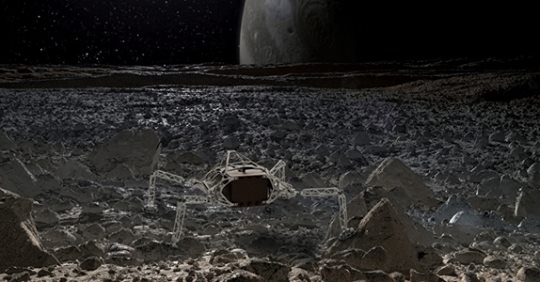
The module was created using a technique known as generative design. Experts first provided the AI with specific design constraints (such as particular types of materials it could use) and available information about the target environment. Then they let it work.
After approximately six weeks, the final design was complete. The landing module – produced using three methods including 3D printing – weighs just under 80 kilograms. This is about 35% less than the baseline version provided by NASA.
Source: https://vtm.zive.cz/…/umela-in…/sc-870-a-195944/default.aspx
Original source: wordpress
Související články
November 2019
“True AI should understand the relationship between cause and effect,” says Judea Pearl, a pioneer in artificial intelligence.
ReadNovember 2019
Karen Hao analysed nearly 17,000 studies on artificial intelligence and wrote an article on where he believes AI is heading
ReadNovember 2019